
 There are countless different pieces of protective equipment in use in American football, which you can read about in more detail on these pages. One of the key aspects of the game is related to padding, with players wanting to ensure that they have as much protection of key areas as possible.
Although the word ‘girdle’ means one thing in general life, there is a slight tweak to it when it comes to the use of it in American football. There are also different variations of it that players can choose from, depending on whether they want to opt for mobility or protection as being key.
What Is a Girdle?
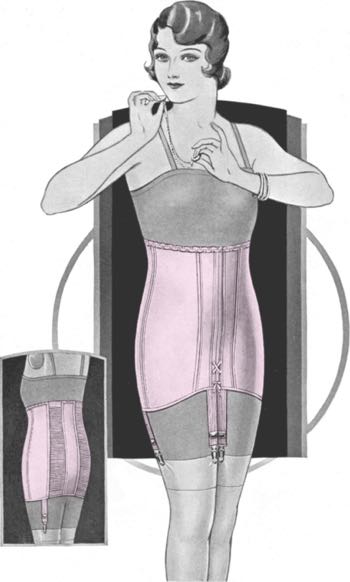
#/media/File:Style4321girdlePink.jpg)
Historically, girdles were belts or buckles, often made from cord or rope, that were a common part of everyday clothing until around the 15th century. They tended to be practical pieces, used to hold other items of clothing in place, which is perhaps why the word is used to describe the ones that are used in gridiron football games. The type of girdle that is used by players in the National Football League is entirely different to that worn in Christian liturgical vestments, for example. It is closer to the undergarment that was a 20th-century concept and worn as an undergarment.
Christians, Jewish men and some Indian religions all use what are known as girdles, albeit in different ways to one another. In literature and mythology, girdles were given magical meanings and strength, whilst they would later become used as a sign of virginity in women. In France, for example, prostitutes were forbidden from wearing one by law. Again, these are different from the girdles that American football players have come to wear, which are more like tight compression shorts that have pockets into which pads can be put in order to protect the players.
The Use of a Girdle in American Football

Players taking part in National Football League games will often choose to wear a girdle underneath their pants. They are similar to compression shorts in their appearance and nature, being tight and allowing them to hold pads in place. Typically, the pads will be used to protect their hips and thighs, as well as their tailbone. When the idea of using a girdle in NFL games first came into being, they were much more like chaps. That is because it was only the front of the legs that were covered with pads, which snapped into place in order to provide some level of protection.
Interestingly, American football isn’t the only sport to use some variation on a girdle. The sport of ringette, for example, has some designs made especially for it, whilst hockey players taking part in National Hockey League games will look to use their own forms of girdles to protect parts of them from the heavy tackles that they engage in, as well as being struck by the puck. The ancient Mesoamerican ballgame also saw a girdle used as a way of players looking after themselves. It is undoubtedly the case that it is NFL players that have made them their own in a sporting context, however.
Which Is Better: A 5-Piece or 7-Piece Girdle?

Players looking to take part in an NFL game will find themselves facing a choice when it comes to their girdle: should they opt for a five-piece or a seven-piece variation? Although girdles are seen as being a fundamental part of protective gear, finding the balance between comfort, flexibility and protection is crucial for players. Players use them to shield themselves from the physical toll that games take on their bodies, offering at least some protection from the likes of tackles, falls and hits that they will go through on a regular basis during the time it takes to play a full game of football.
The five-piece girdle is one that offers two thigh pads, two hip pads and a pad for the tailbone. It is the one that a player will opt for if they want to be protected to some degree, but also want to be as free with their movement as possible. The likes of wide relievers and defensive backs will go for it. The seven-piece girdle, meanwhile, has the same as the five-piece one but with the addition of two knee pads. These are often chosen by players such as linemen and running backs, on account of the fact that they’re in contact with the ground more often and need that added protection.