
The United Kingdom and the United States enjoy a long shared history, but the contact sports each nation celebrates grew up under very different conditions. Rugby in the UK feels like something people inherit through schools, neighbourhood clubs, and long-standing traditions. Its presence is steady and familiar, woven into routines that many families recognise.
American football, by contrast, reaches British viewers wrapped in bright production value and large-scale events that reflect a different sporting culture. These environments shape how each country thinks about the game it holds close, giving both sports a personality that feels distinctly tied to place.
How the NFL’s Global Entertainment Reaches Fans Abroad
 American football’s global reach gives UK audiences plenty of ways to explore it, and broadcasts or podcasts often introduce UK viewers to the American betting culture tied to the sport. Because many US states still don’t have legal sports betting, NFL coverage often references offshore sportsbooks that fans rely on.
Minnesota is a good example, as repeated legislative failures from 2023 to 2025 have kept sports betting illegal, leaving residents to use offshore operators that aren’t restricted by state law (source: https://readwrite.com/gambling/betting/minnesota).
Seeing these services discussed so openly in NFL media can feel unfamiliar to UK fans, who associate rugby coverage with far less emphasis on betting. Recognising why these platforms appear so frequently helps UK viewers better understand the commercial and cultural environment surrounding American football.
Cultural Values Shaped by Tradition

British fans often see rugby as a sport grounded in teamwork, mutual respect, and toughness that does not need to call attention to itself. The sport’s rituals, from post-match handshakes to shared celebrations, reinforce a sense of community. American football approaches spectacle more openly, with star players highlighted throughout broadcasts and analysts breaking down every moment.
Many UK viewers admire the precision but sometimes find the stop-start rhythm unfamiliar. Even so, the NFL’s growing presence in London has encouraged more people to look past the surface and pay attention to the deeper parts of the sport.
Rules That Shape the Style of Play
The contrast between the two sports becomes even more pronounced on the field. Rugby depends on steady motion, with players making decisions almost instinctively as situations change. The limited interruptions keep the pace moving, so teams rely on shared awareness and quick instincts.
American football works differently. Coaches design detailed plays, players sort out responsibilities before the snap, and officials halt the clock to enforce structure. UK fans used to rugby’s constant flow sometimes find the format choppy, yet many grow to enjoy the layers of planning that influence every movement, even the ones that look simple.
Equipment and Approaches to Contact

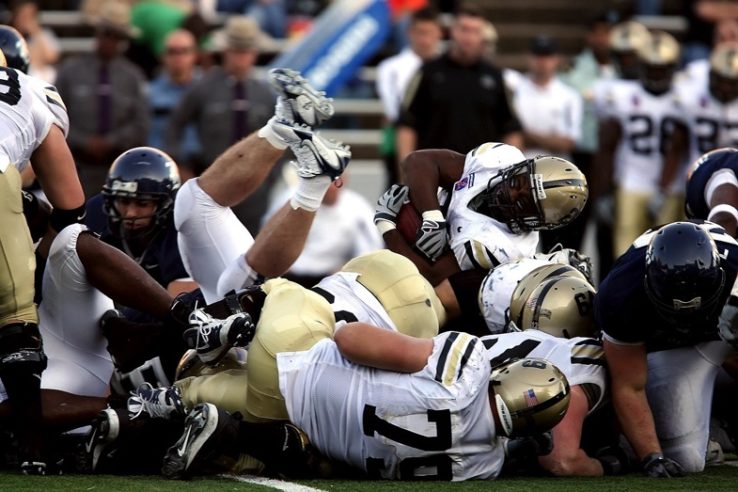
One of the biggest differences lies in how each sport handles physical contact. Rugby players wear minimal gear, which encourages careful tackling and a focus on proper form. Many in the UK believe this approach leads to more controlled impacts. American football players use helmets and padding because the sport’s intensity and speed demand protection.
Some British viewers feel the gear encourages harder hits, while American fans see it as necessary for safety. Both sports involve heavy contact, yet they manage the risks in different ways, shaped by their own histories, styles of play, and expectations for athletes.
Risk Perception Across Two Countries
Rugby feels physically demanding to British supporters, but the predictability of its patterns provides structure. They understand the rhythm of scrums, lineouts, and tackles, and can anticipate where the most physical moments occur. American football introduces another layer of uncertainty with specialised positions and explosive collisions. Because of this, UK viewers sometimes view it as more dangerous; in fact, American football has a higher rate of traumatic brain injuries.
Coverage of NFL rule updates related to helmet contact or kickoff adjustments often influences these views, showing how the league is trying to handle the physical demands placed on players. These changes slowly reshape how UK audiences interpret the sport’s risks.
Community Pathways and Development Systems
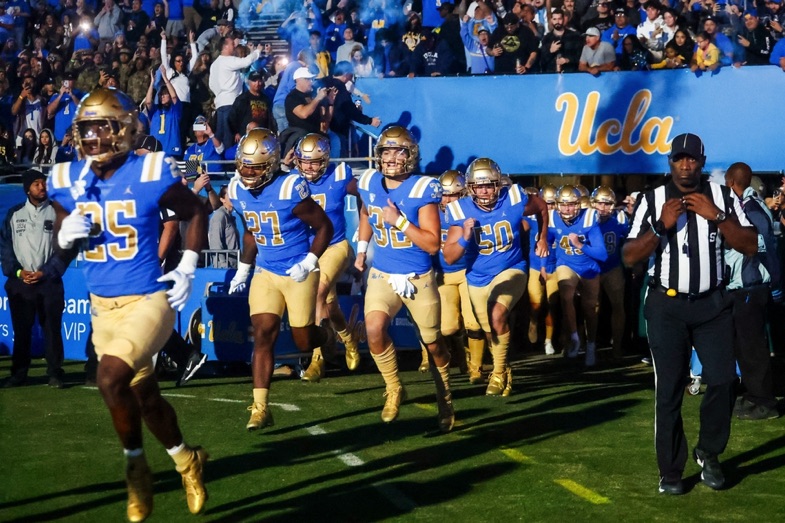
Part of rugby’s visibility in the UK comes from its grassroots foundation. Local clubs and weekend matches create an environment where people can easily take part, whether they play or simply support their teams. American football grows through a different structure. College programs and national media attention provide a path that feels more organised from the beginning.
British fans comparing the two often notice how American football relies heavily on institutions that support competition at every level. This distinction shapes perception, making rugby feel closely tied to community life and American football tied to performance-driven systems.
Broadcast Styles That Shape Viewer Experience
The way each sport is presented influences how fans respond. UK rugby coverage tends to follow the action with steady commentary that stays out of the way. American football broadcasts incorporate replays, field graphics, and detailed breakdowns that highlight the strategy behind each possession.
Some British viewers enjoy this added insight, while others find the rhythm of the broadcast unusual until they grow familiar with its pace. Many end up appreciating how these broadcasts help newcomers understand complex tactics, allowing them to notice details that can be easy to miss without guided explanation.
Growing Interest Between Two Sporting Cultures
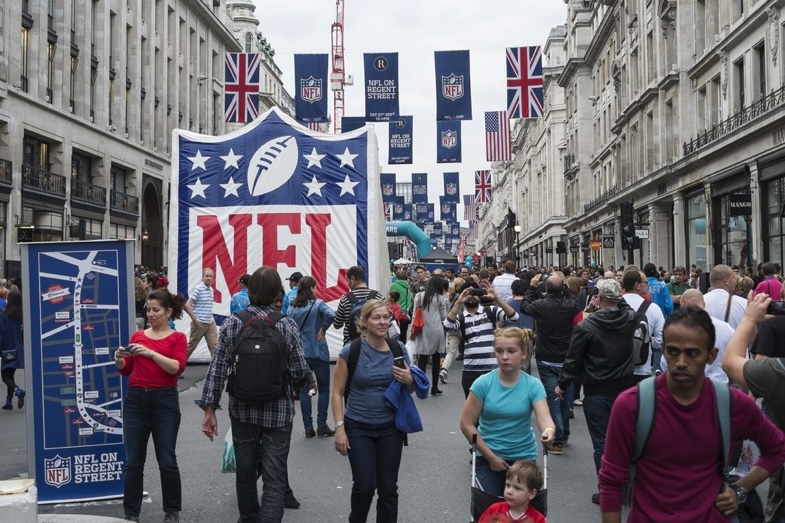
Supporters in both countries have begun crossing into each other’s sporting traditions. UK fans continue to fill stadiums for NFL events held in London, showing strong interest in the American game. At the same time, 30 million USA-based fans have signed in to watch the Gallagher Premiership Rugby final on Fox Sports, which showcases that there’s also considerable American interest in Rugby.
This exchange has helped soften long-held assumptions and encouraged fans to explore the differences without dismissing them. Each sport reflects the values of the place where it grew, with American football embracing structure and spectacle while rugby holds tight to continuity and shared identity. The growing respect on both sides keeps interest moving forward.
A Look at the Future of Transatlantic Interest
The gap between the UK’s understanding of American football and its own rugby culture continues to shrink as access grows. Streaming platforms make both sports easier to follow, and international matchups expand exposure for fans who might never have seen them otherwise.
Audiences raised with clips, highlights, and cross-border coverage are helping the two sports feel less distant from each other. Rugby and American football hold onto their unique identities, yet more viewers now approach both games with curiosity instead of hesitation. This shift points toward a sporting landscape where each finds space alongside the other.