
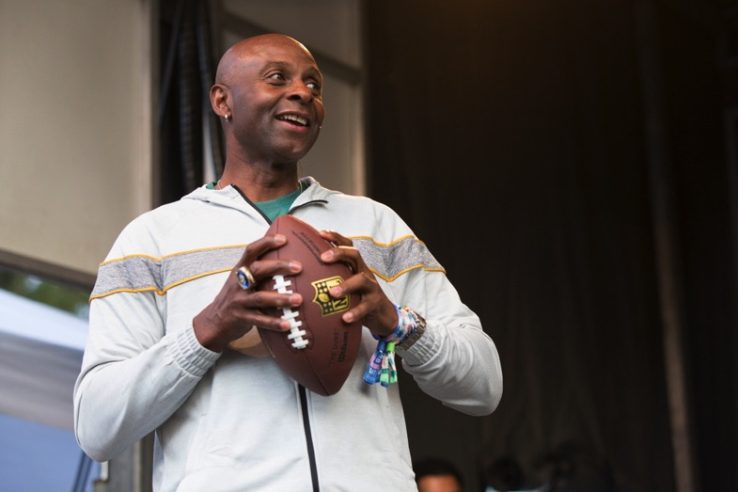
Some NFL numbers seem etched in the record book. Rule changes, analytics, and a 17-game slate have turbocharged the offense, yet a handful of milestones still defy modern production and durability. In this news-style look, I’ll pinpoint the marks that remain safest, explain why today’s game doesn’t help challengers, and add timely context from the 2025 season so fans can gauge which feats are truly beyond reach.
Why Certain Records Resist Time
Two forces keep “impossible” records intact. First is longevity: health, workload, and roster economics rarely align long enough for careers to reach the required totals. Second is era drift: while passing volume exploded, defenses countered with sub-packages and risk-averse coverage, limiting turnover spikes that powered some mid-century records. Add stricter concussion protocol and load management, and the path to old-school endurance streaks narrows further.
Jerry Rice’s Receiving Mountain Still Towers

No one has matched Jerry Rice’s combination of peak and persistence. His career receiving yards (22,895) and touchdown catches (197) create a two-summit climb: you need a 10-plus-year prime at All-Pro level, then another half-decade of high-end productivity. Even in today’s pass-first era, target distribution and cap dynamics keep stars from stacking that many elite seasons. Recent chases have underscored the gap—massive single-season totals haven’t meaningfully dented his career lead.
Emmitt Smith’s Rushing Total Survives the Committee Era
Emmitt Smith’s 18,355 rushing yards look sturdier every year. Backs enter timeshares earlier, second contracts are rarer, and short-yardage substitutions siphon carries that once built career volume. You’d need a runner who stays RB1 for a decade and a half while avoiding significant injury and preserving burst—an outlier on three fronts in 2025 roster construction.
Night Train Lane’s Interception Avalanche
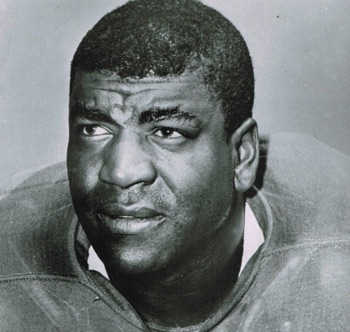
Dick “Night Train” Lane swiped 14 interceptions as a rookie in a 12-game 1952 season—a blizzard of takeaways that hasn’t been matched since the schedule moved to 14, 16, and now 17 games. With modern spacing, option routes, and quarterback decision tools keeping turnover rates down, that single-season mark sits in cold storage despite more opportunities. A corner might notch 10–11 in a perfect year; 14 demands both volume and an unusual number of tipped or reckless throws that today’s offenses rarely surrender.
Brett Favre’s Ironman Standard for Quarterbacks
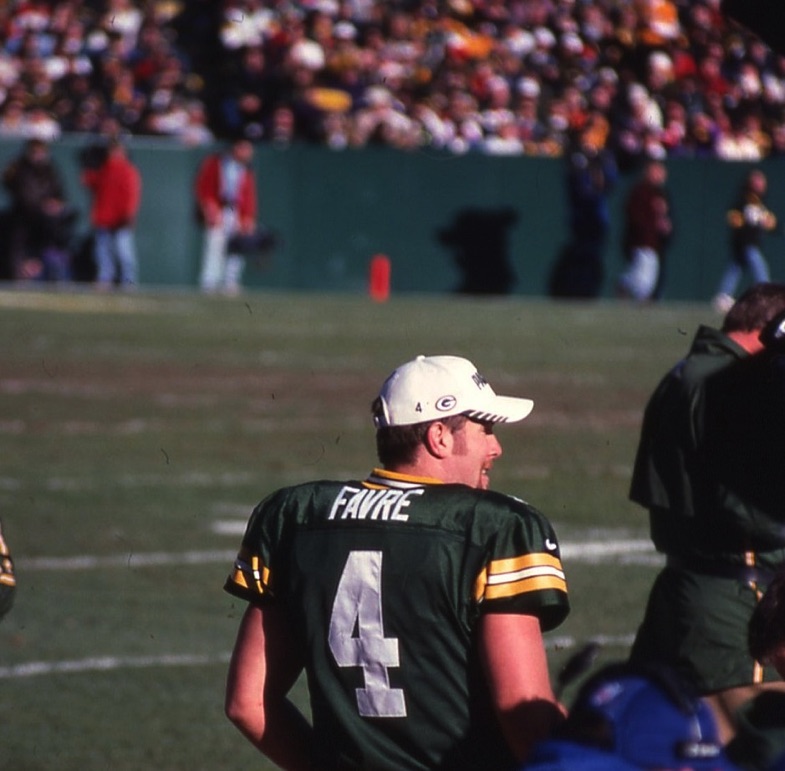
Favre’s 297 consecutive regular-season starts (321 including playoffs) reads differently in the current safety era. Spot starts for rest, quicker pull decisions after head impacts, and the rise of mobile QBs—who absorb more hits—chip away at streaks long before 200, let alone 297. Even the toughest profiles in 2025 face institutional guardrails that didn’t exist during Favre’s run.
Don Shula’s Coaching Wins and a Stalled Pursuit

Don Shula’s 347 total wins remain first. Bill Belichick’s chase paused after his Patriots exit; he sits in second place and, as of this week, is in the headlines as a Hall of Fame finalist rather than an active sideline presence. Without multiple full seasons to gather ground, Shula’s mark keeps breathing room.
The Perfection Barrier After Schedule Expansion
The 1972 Dolphins finished 17-0, including the postseason. In today’s 17-game era, the top seed would need 20-0 to match the spirit of perfection (17 regular-season wins plus three postseason wins), while non-top seeds would require 21-0. Depth, travel, and injury variance over that runway make the math brutal. Near-misses since the 2000s underscore how one off Sunday can derail the bid.
One-Day Eruptions That Defy Replication
Single-game explosions feel theoretically breakable but secure. Derrick Thomas’s seven sacks came from a rare alignment of matchup, game script, and individual dominance; offensive protections and faster QB time-to-throw metrics reduce the odds of eight in a day. These outliers tend to last because everything must hit at once.
Betting Context for Fans Who Track the Record Book
Historical records don’t just tell stories; they set expectations. If a receiver is chasing pace lines that would still leave them thousands of yards short of Rice by age 32, that informs season-long and player-prop sanity checks. For a data-rich primer on markets and matchup factors, see the Gambling Nerd NFL hub—its NFL betting breakdowns help translate context into practical angles without overreacting to hot streaks or small samples.
Recent Headlines That Reinforce the “Impossible”
A summer documentary resurfaced how outlandish Lane’s 14-pick barrage was, while September coverage again highlighted Smith’s career totals in a different labor context. And this month’s Hall of Fame finalist news placed Belichick’s pursuit in perspective: the wins gap isn’t closing while he’s off the field. Together, those stories keep circling the same conclusion—some numbers are safe because the sport itself evolved away from the conditions that created them.
Never say never, but some NFL marks are locked behind time, health, and era gates. Rice and Smith built career walls that demand unreal longevity, Lane’s interception spree requires a turnover environment that no longer exists, Favre’s streak conflicts with modern player-safety norms, and Shula’s wins ask for years that the current chase doesn’t have. The Dolphins’ perfect run becomes harder the longer the calendar gets. Keep these baselines in mind when the next breakout surges—greatness can break a game, but only the rarest circumstances break history.