
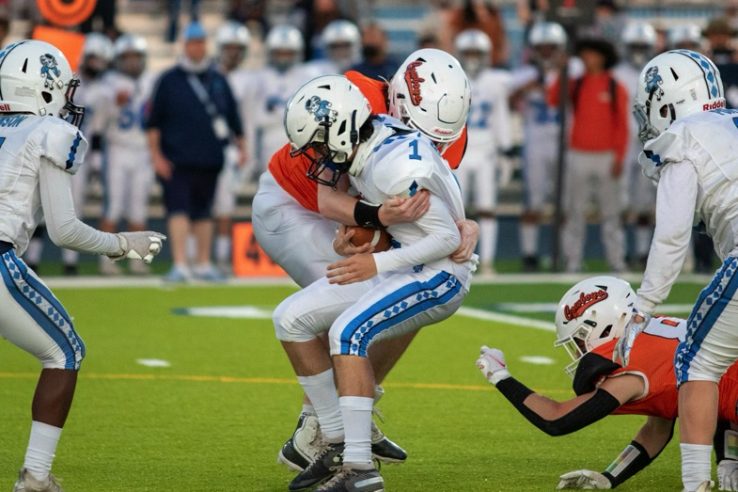
There’s no shortcut to building a championship side, and NFL clubs know it. The Minnesota Vikings went 8–1 in one-score games during the 2024 regular season. The Baltimore Ravens also stayed in contention with a 12–5 finish, relying on consistent performances under long-time head coach John Harbaugh.
Over in the NFC, the San Francisco 49ers continued their strong form under Kyle Shanahan, extending a playoff streak that reflects how well-coached and organised they’ve become. These clubs show that, beyond raw talent, preparation and consistency are what keep teams in the hunt.
Fan Pressure, Star Power, and the Modern Atmosphere
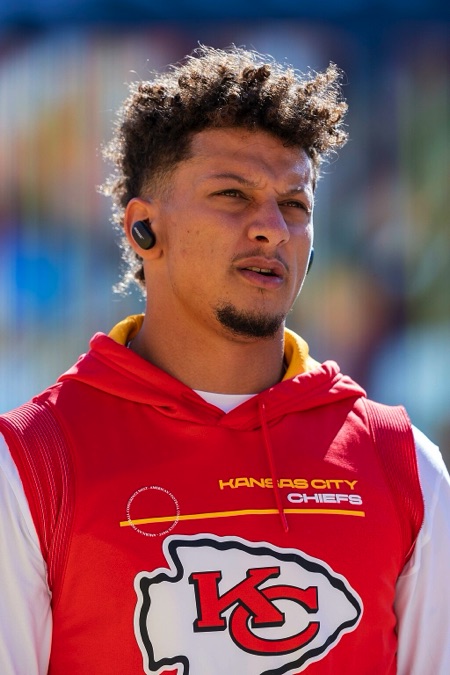
Between fantasy leagues, live stat feeds, and social media chatter, players face more public scrutiny than ever. Supporters these days track, discuss, and stake bets among their cheering. That connection has helped push players like Patrick Mahomes and Joe Burrow into the spotlight. Their consistent performances have made them staples of primetime fixtures and fantasy line-ups alike.
That same fan attention has brought more interest in popular options without KYC requirements, offering quicker access to sports betting platforms. These services let fans monitor odds live as the action unfolds, keeping them locked in on every snap. For players, this means that even routine games feel like must-win contests, because the audience is always watching and reacting.
Leadership Starts on the Practice Field
Training is more than just about physical drills and staying in athletic shape. Coaches across the league now use decision-making scenarios to test players under pressure. It’s not uncommon for sessions to simulate game-clock situations or even turnovers. This kind of prep has helped squads raise new players who are ready to contribute early and build squads where leadership is shared, and not assigned.
The great thing is that they’ve created a system where veterans take an active role in mentoring rookies. That balance between experience and ambition is often what steadies a team late in the season when fatigue sets in.
Mental Well-Being is Now Part of Performance
Mental strength is now treated as a key part of a player’s toolkit, right alongside fitness and tactical awareness. Clubs are investing in wellbeing programmes to help players handle stress, manage focus, and stay sharp under pressure. The NFLPA has actively promoted these services under its ongoing “Mental Health Matters” campaign.
The Carolina Panthers, for instance, took steps to make wellness a regular feature of team life and not just something players can access when they’re struggling with something specific.
Coaching Consistency Builds Confidence
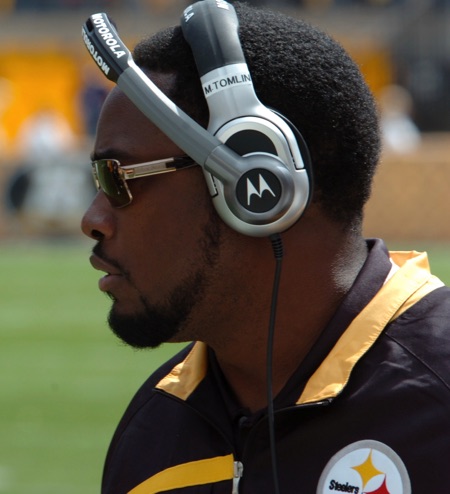
Their consistency means fewer playbook changes, clearer communication, and stronger trust between staff and players. It doesn’t guarantee wins, but it builds a foundation teams can rely on when pressure hits. Mike Tomlin is the modern benchmark. He’s been leading the Steelers since 2007 without a single losing season, a run built on belief, structure, and keeping standards high regardless of personnel.
On the other side of the league, Kyle Shanahan has turned the 49ers into perennial contenders through meticulous game planning and staff development, while Sean McVay revitalised the Rams by pushing tactical innovation without sacrificing clarity.
Look further back, and names like Bill Walsh and Tony Dungy stand out. Walsh redefined offensive football with the West Coast system and a calm leadership style, while Dungy brought patience and principle to a league that often rewards bravado. So, what links them all? Players knew where they stood, and that allowed teams to function smoothly under stress.
From Injuries to Comebacks

Injuries are part of the game, but how a team responds can shape its entire season. The most successful clubs approach recovery as more than a medical process. They make sure injured players stay engaged with team tactics and day-to-day prep.
A study out of the USA’s Orthopaedic Journal of Sports Medicine tracked 312 NFL players who’d undergone ACL reconstruction between 2013 and 2018. The numbers were brutal. So, what does all this tell us about resilience in the NFL? For starters, coming back from an ACL injury is brutal. Only around 28% of players are still in the league three years later. That’s a reminder of how high the bar is to stay in the game.
Bouncing back takes more than rehab and weight room sessions. The quarterbacks fared best, and not just because they’re less likely to take constant hits, but because they often get more support, structure, and time to return properly. It shows how the setup around a player can shape their comeback.
What about the rest? The ones in high-impact roles, like running backs, linebackers, and linemen, need clubs that keep them in the mix while they recover. Tactics, film rooms, team meetings. Staying involved really makes a difference. Drop a player completely while they’re sidelined, and you’re asking them to play catch-up with the season already halfway gone.
That original study only tracked players up to 2018, and a lot has changed since then. Newer research, like a 2025 editorial in the Journal of Clinical Medicine, suggests the recovery game has stepped up. It’s no longer just about waiting X amount of time and hoping for the best. Sure, nine months is the gold standard at the moment, but support systems need to be set in place every step of the way.
Teams are just smarter now. Rehab plans are tighter. Mental support is built in. Even with all that, though, bouncing back from an ACL tear in the NFL is still one of the toughest climbs in pro sports. Not every player makes it, especially if they’re not a quarterback. How about the gap between top-tier team care and what most athletes get? Unfortunately, it’s still pretty wide.